Guide to the most popular cake flavors and their origins
Cake flavors are more than just sweet treats – they’re culinary expressions of cultural creativity and tradition. As you explore the world of types of cake flavors, you’ll discover a rich tapestry of tastes that reflect global culinary experiences. From classic vanilla to innovative fusion combinations, most popular cake flavors tell unique stories of regional traditions and culinary innovation.
Baking enthusiasts and dessert lovers understand that cake is far more than a simple dessert. Each flavor represents a journey through taste, history, and cultural heritage. Whether you’re a professional baker or a home cook, understanding the depth and variety of cake flavors can transform your approach to dessert creation.
Key Takeaways
- Cake flavors represent complex cultural expressions
- Global culinary traditions influence cake flavor development
- Types of cake flavors range from traditional to experimental
- Understanding flavor origins enhances baking skills
- Most popular cake flavors evolve with global food trends
- Regional ingredients significantly impact cake taste profiles
- Flavor selection reflects personal and cultural preferences
Understanding the Evolution of Cake Flavors Through History
Cake flavors have transformed dramatically throughout human history, reflecting cultural innovations and culinary discoveries. From simple honey-sweetened treats to complex gastronomic experiences, the varieties of cakes have become a delightful testament to human creativity and global interaction.
The journey of cake flavors reveals fascinating insights into how different cultures developed unique types of cake flavors through centuries of experimentation and trade.
Ancient Cake-Making Traditions
Early civilizations created rudimentary cake recipes using locally available ingredients. Ancient Egyptians were among the first to develop sophisticated baking techniques, incorporating honey, nuts, and fruits into their sweet creations.
- Mesopotamian cultures used date syrup as a primary sweetener
- Greek bakers introduced innovative flour-based recipes
- Roman celebrations featured elaborate honey-sweetened cakes
The Rise of Modern Cake Flavors
As trade routes expanded, bakers gained access to exotic spices and ingredients, revolutionizing cake flavors. The introduction of sugar from Caribbean plantations dramatically transformed dessert-making techniques.
| Era | Key Flavor Developments |
|---|---|
| 16th Century | Sugar becomes widely available |
| 18th Century | Chocolate introduced from South America |
| 19th Century | Vanilla becomes a standard flavoring |
Impact of Global Trade on Flavor Development
Global trade networks allowed unprecedented exchange of culinary ingredients. Spices from India, vanilla from Mexico, and chocolate from South America transformed cake recipes worldwide.
“Cake flavors are a delicious map of human exploration and cultural exchange.” – Culinary Historian
By understanding this rich history, you can appreciate how modern varieties of cakes represent centuries of culinary innovation and global interconnectedness.
Classic Vanilla: The Timeless Foundation of Cake Flavor
Vanilla stands as the cornerstone of most popular cake flavors, capturing hearts with its subtle yet rich essence. This beloved flavor has transformed from a rare ingredient to a staple in bakeries worldwide. Your journey into vanilla’s world reveals why it remains an unparalleled choice for cake lovers.
The origins of vanilla trace back to Mexico, where the Totonac people first cultivated vanilla beans. Explorers brought this magical ingredient to Europe, sparking a global culinary revolution. Different vanilla varieties now shape the most popular cake flavors, each offering a unique taste profile.
- Madagascar Bourbon Vanilla: Creamy and smooth
- Mexican Vanilla: Bold and intense
- Tahitian Vanilla: Floral and delicate
Bakers appreciate vanilla’s versatility in creating classic cake recipes. Its neutral base allows for endless flavor combinations, making it a go-to choice for both professional pastry chefs and home bakers.
| Vanilla Type | Flavor Profile | Best Used In |
|---|---|---|
| Madagascar Bourbon | Rich, Creamy | Wedding Cakes, Cupcakes |
| Mexican Vanilla | Intense, Robust | Chocolate Layer Cakes |
| Tahitian Vanilla | Delicate, Floral | Light Sponge Cakes |
Understanding vanilla’s nuanced characteristics helps you elevate your baking game. Whether you’re crafting a simple birthday cake or an elaborate dessert, vanilla remains the reliable foundation that connects culinary traditions across generations.
Decadent Chocolate Varieties and Their Cultural Significance
Chocolate has revolutionized the world of cake flavors, transforming simple desserts into culinary masterpieces. The varieties of cakes featuring chocolate have become a global phenomenon, capturing hearts and taste buds across different cultures. From rich, intense dark chocolate to creamy milk chocolate creations, these types of cake flavors offer something unique for every chocolate lover.
Chocolate cakes represent more than just a sweet treat – they’re a cultural expression of indulgence and celebration. Each type of chocolate brings its own distinctive character to cake recipes, creating endless possibilities for bakers and dessert enthusiasts.
Dark Chocolate Origins
Dark chocolate originated in ancient Mesoamerican cultures, where cacao was considered a sacred ingredient. The intense, slightly bitter flavor profile makes dark chocolate cakes particularly sophisticated. Key characteristics include:
- High cocoa content (typically 70% or more)
- Complex, robust flavor notes
- Lower sugar concentration
- Rich antioxidant properties
Milk Chocolate Innovations
Milk chocolate introduced a sweeter, more approachable chocolate experience. Modern cake varieties have transformed this classic flavor into incredibly diverse desserts. Innovations include:
- Layered milk chocolate mousse cakes
- Chocolate-caramel fusion designs
- Lighter, creamier texture profiles
White Chocolate Variations
White chocolate offers a unique twist in cake flavors. Unlike traditional chocolate, it provides a smooth, buttery experience that pairs beautifully with fruits and delicate flavors. Popular white chocolate cake styles include:
- Raspberry white chocolate torte
- Coconut white chocolate layer cake
- Vanilla bean white chocolate cheesecake
“Chocolate is not just a flavor – it’s an experience that connects cultures through sweet, delectable moments.” – Pastry Chef Elena Rodriguez
Fruit-Based Cake Flavors Around the World
Dive into the vibrant world of fruit-based cake flavors, where most popular cake flavors blend local traditions with culinary creativity. Different cultures showcase unique varieties of cakes that transform simple fruits into extraordinary dessert experiences.
Regional fruit cake traditions reveal fascinating flavor combinations. In tropical regions, bakers leverage local produce to create stunning desserts that reflect their cultural heritage. The varieties of cakes featuring fruits range from classic strawberry and lemon to more exotic mango and passion fruit creations.
- Tropical fruit cakes often incorporate fresh, locally grown ingredients
- European bakers specialize in delicate fruit-infused layers
- Mediterranean regions use citrus fruits extensively in cake recipes
Understanding fruit cake flavors requires exploring global culinary traditions. Some regions prefer subtle fruit hints, while others embrace bold, intense fruit profiles that dominate the entire dessert.
| Region | Popular Fruit Cake Flavor | Unique Characteristic |
|---|---|---|
| Southeast Asia | Mango Cake | Rich, sweet tropical flavor |
| Mediterranean | Lemon Cake | Bright, tangy citrus notes |
| North America | Apple Spice Cake | Warm, comforting autumn taste |
When exploring fruit-based cakes, consider seasonal availability and regional preferences. Your culinary journey can transform simple ingredients into extraordinary dessert experiences that celebrate local flavors and traditions.
Exploring Modern Cake Flavor Combinations
The world of cake flavors has transformed dramatically in recent years. Pastry chefs and bakers are pushing culinary boundaries by creating innovative cake flavor combinations that challenge traditional taste expectations. These exciting new types of cake flavors blend unexpected ingredients to create unique and memorable dessert experiences.
Modern cake design has become an art form where creativity knows no limits. Innovative bakers are experimenting with unconventional pairings that surprise and delight the palate.
Contemporary Fusion Flavors
Fusion cake flavors represent the cutting edge of dessert innovation. Some standout combinations include:
- Matcha green tea with white chocolate
- Lavender and honey
- Salted caramel and dark chocolate
- Rosemary and olive oil
Seasonal Flavor Trends
Seasonal ingredients play a crucial role in developing exciting cake flavor combinations. Bakers now craft cakes that capture the essence of each season:
| Season | Flavor Combinations |
|---|---|
| Spring | Strawberry-rhubarb, lemon-elderflower |
| Summer | Peach-basil, coconut-lime |
| Autumn | Pumpkin-chai, apple-cinnamon |
| Winter | Peppermint-chocolate, gingerbread |
Experimental Taste Combinations
The most adventurous bakers are creating truly unexpected cake flavor combinations that challenge traditional taste profiles. From savory herbs in sweet desserts to international ingredient mashups, these experimental cakes represent the future of pastry arts.
Your taste buds will be delighted by these innovative approaches to cake flavor combinations that transform simple desserts into culinary masterpieces.
Essential Tips for Choosing the Perfect Cake Flavor
Selecting the right cake flavor can transform any celebration from ordinary to extraordinary. When exploring most popular cake flavors, consider the unique characteristics of different events and guest preferences. Your cake flavor choice speaks volumes about the occasion and your personal taste.
Key factors to consider when selecting cake flavor combinations include:
- Event type and formality
- Guest demographics
- Seasonal ingredient availability
- Personal or cultural significance
Understanding flavor profiles helps create memorable dessert experiences. Professional bakers recommend matching cake flavors with complementary frostings and fillings. For instance, a rich chocolate cake pairs beautifully with raspberry buttercream, while a light vanilla sponge works perfectly with lavender cream.
When tasting potential cake flavors, pay attention to:
- Subtle flavor notes
- Texture and moisture
- Balance between sweetness and complexity
- Aromatic undertones
Consider your audience’s preferences and dietary restrictions. Some guests might prefer classic flavors like vanilla or chocolate, while others enjoy more adventurous cake flavor combinations such as salted caramel or matcha green tea.
“The perfect cake flavor tells a story and creates lasting memories” – Professional Pastry Chef
Pro tip: Always request a tasting session to experience the cake flavors firsthand before making your final selection.
Regional Specialties and Traditional Cake Recipes
Exploring the world of varieties of cakes reveals a rich tapestry of culinary traditions. Different regions have developed unique types of cake flavors that reflect local ingredients, cultural preferences, and historical influences.
European Cake Masterpieces
European cake traditions showcase an incredible diversity of flavors and techniques. Each country brings its own distinctive touch to cake-making:
- Germany’s famous Black Forest cake combines chocolate, cherries, and whipped cream
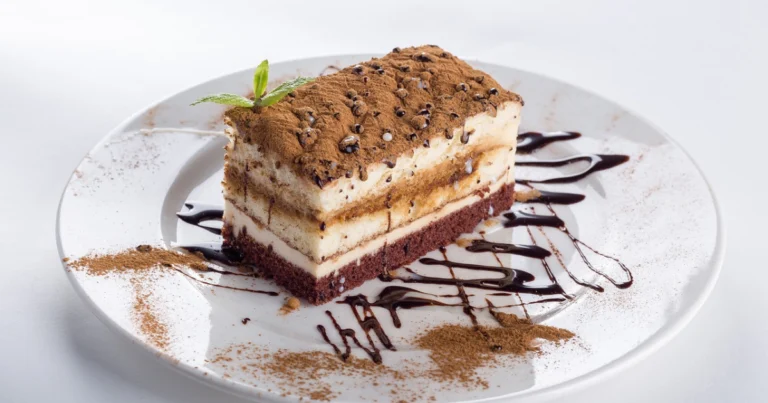
- Italian tiramisu represents a sophisticated coffee-infused dessert
- French Opera Cake demonstrates intricate layering techniques
Asian Cake Innovations
Asian bakers have transformed traditional cake concepts with creative approaches to flavors and textures:
| Country | Unique Cake | Distinctive Feature |
|---|---|---|
| Japan | Japanese Cheesecake | Ultra-light, souffle-like texture |
| Philippines | Ube Cake | Vibrant purple yam flavor |
| China | Honey Cake | Sweet, dense traditional recipe |
American Classic Flavors
American cake varieties reflect the country’s diverse culinary heritage. Popular varieties include:
- Red Velvet Cake – A Southern classic with cream cheese frosting
- Carrot Cake – Featuring nuts and cream cheese icing
- Boston Cream Pie – Despite its name, technically a cake with custard filling
Each regional specialty tells a unique story through its ingredients, preparation methods, and cultural significance. Your culinary journey through cake flavors demonstrates how food connects people across different traditions and landscapes.
Understanding Dietary Restrictions and Alternative Cake Flavors
The world of cake flavor combinations has expanded dramatically to accommodate diverse dietary needs. Modern bakers are reimagining traditional recipes to create delicious varieties of cakes that cater to different health requirements and personal preferences.
Gluten-free and vegan cake options have become increasingly popular, transforming the way people think about desserts. Innovative bakers are developing creative solutions that don’t compromise on taste or texture.
- Alternative flour options like almond and coconut flour
- Plant-based milk substitutes
- Natural sweeteners replacing traditional sugar
Exploring alternative ingredients has opened up exciting new possibilities for cake flavor combinations. Coconut sugar, maple syrup, and aquafaba are just a few ingredients revolutionizing cake baking for those with dietary restrictions.
| Dietary Restriction | Alternative Ingredient | Flavor Impact |
|---|---|---|
| Gluten-Free | Almond Flour | Nutty, rich texture |
| Vegan | Coconut Milk | Creamy, tropical undertones |
| Sugar-Free | Monk Fruit Sweetener | Natural sweetness without calories |
You’ll be amazed at how these alternative varieties of cakes can satisfy your sweet tooth while meeting specific dietary needs. From nut-based flours to plant-derived sweeteners, the possibilities are endless for creating delicious, inclusive desserts.
Conclusion
Your exploration of cake flavors reveals a fascinating world of culinary creativity and cultural diversity. From ancient baking traditions to modern innovations, the most popular cake flavors have transformed dramatically, reflecting global influences and changing taste preferences. The journey through different types of cake flavors demonstrates how food connects people across generations and geographical boundaries.
Cake flavors are more than just sweet treats. They represent a rich tapestry of cultural heritage, culinary innovation, and personal expression. Whether you prefer classic vanilla, decadent chocolate, or experimental fusion flavors, there’s a cake flavor to suit every palate. The world of cake flavors continues to expand, inviting bakers and food enthusiasts to push the boundaries of traditional baking.
As you reflect on the incredible variety of cake flavors, remember that each slice tells a unique story. The most popular cake flavors are not just about taste but about experience, memory, and connection. Your culinary adventure doesn’t end here—it’s an invitation to explore, experiment, and savor the endless possibilities that cake flavors offer.
Embrace the diversity of cake flavors, challenge your taste buds, and celebrate the global language of delicious desserts. Your next favorite cake flavor might be just a recipe away.
FAQ
What are the most popular cake flavors?
The most popular cake flavors include vanilla, chocolate, red velvet, lemon, and carrot cake. These classic flavors remain consistently favorite choices across different age groups and occasions, offering a reliable and delicious dessert option for many celebrations.
How do I choose the right cake flavor for an event?
When selecting a cake flavor, consider the event type, audience preferences, and season. For weddings, classic flavors like vanilla or chocolate work well. For children’s parties, more playful flavors like funfetti or strawberry might be ideal. Consider any dietary restrictions and try to offer a flavor that appeals to a wide range of tastes.
Can I combine different cake flavors?
Absolutely! Modern cake trends encourage flavor fusion. You can create unique combinations like salted caramel chocolate, lavender honey, or matcha green tea. Many bakeries now offer layer cakes with multiple flavors or complementary flavor pairings that create exciting taste experiences.
Are there cake flavors for people with dietary restrictions?
Yes, there are many alternatives for those with dietary needs. Gluten-free cakes can be made with almond or coconut flour, vegan cakes use plant-based milk and egg substitutes, and sugar-free options utilize alternative sweeteners. These alternatives now come in diverse and delicious flavors like almond, coconut, and carrot.
How do different cultures influence cake flavors?
Cultural influences significantly impact cake flavors. For example, Japanese cakes often feature matcha and light, delicate flavors, while European cakes like Black Forest cake showcase rich chocolate and cherry combinations. Asian bakeries might use flavors like ube (purple yam), while American traditions include classic flavors like red velvet and key lime.
What are some unique or experimental cake flavors?
Innovative cake flavors include lavender honey, Earl Grey tea, green tea, passion fruit, and salted caramel. Pastry chefs are continuously experimenting with unexpected combinations like rosemary-infused cakes, olive oil cakes, and even savory-sweet hybrids that challenge traditional flavor expectations.
How do seasonal changes affect cake flavors?
Seasonal ingredients greatly influence cake flavors. Summer might feature fresh berries and lighter citrus flavors, while autumn brings pumpkin, apple, and spice cakes. Winter often showcases rich flavors like peppermint and gingerbread, and spring introduces delicate floral and fruity notes like strawberry and cherry blossom.