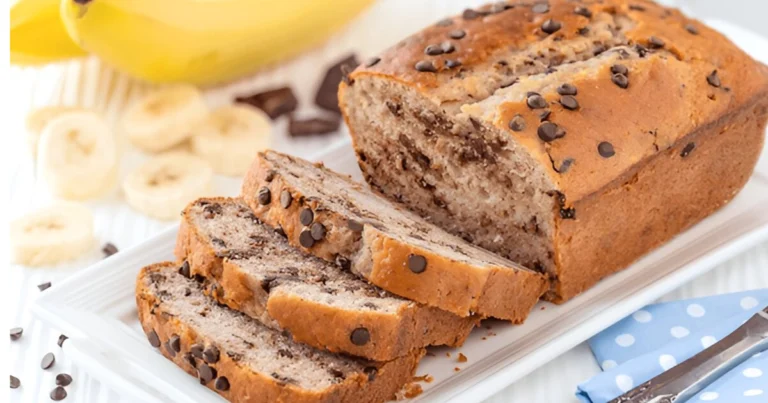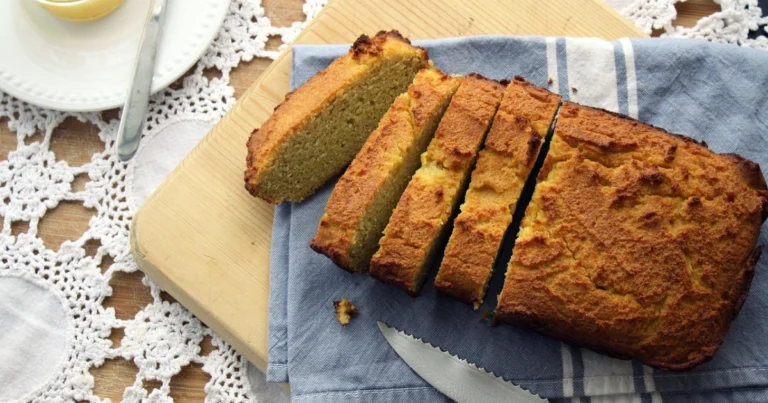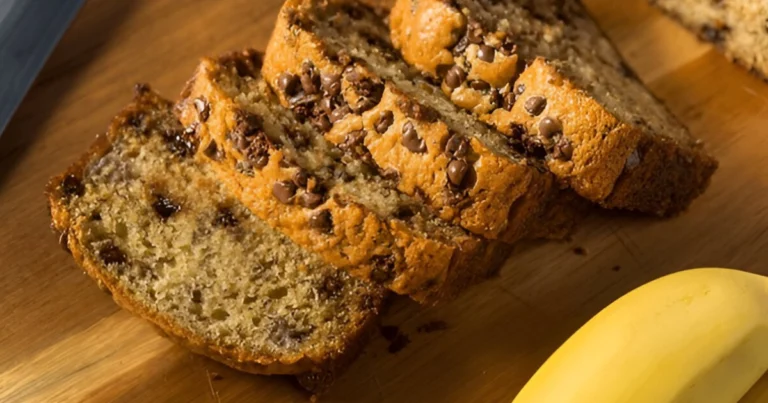
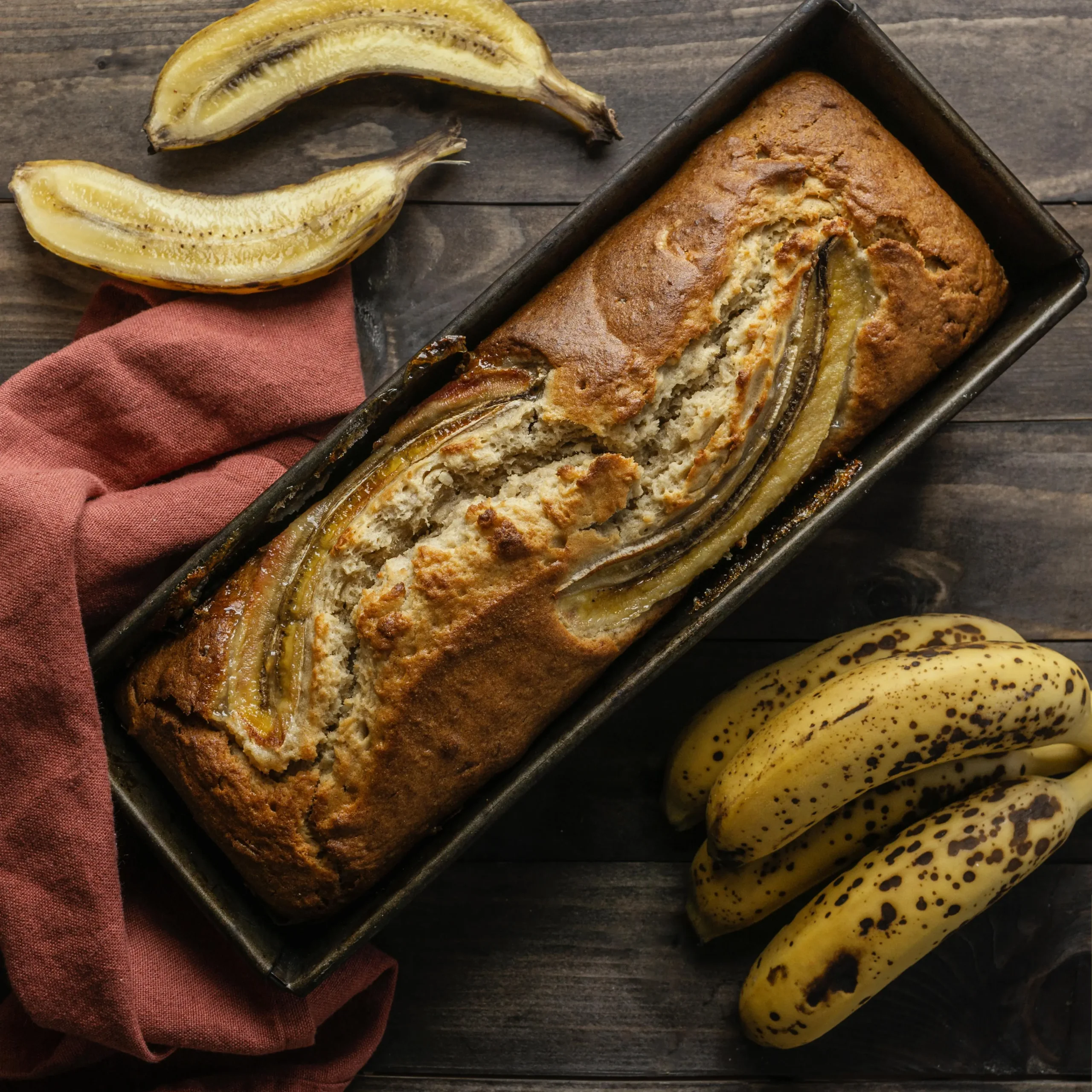
Moist & Flavorful Healthy Banana Bread
Craving a delicious healthy banana bread recipe that doesn’t compromise on taste? You’re in the right place. This recipe transforms the classic comfort food into a nutritious treat that satisfies your sweet tooth while supporting your wellness goals.
Imagine biting into a slice of banana bread that’s incredibly moist, packed with rich banana flavor, and crafted with ingredients that nourish your body. Our healthy banana bread recipe proves that wholesome eating can be absolutely delectable.
Whether you’re a health-conscious foodie or simply looking for a better breakfast option, this recipe offers the perfect balance of flavor and nutrition. Get ready to discover a banana bread that loves you back.
Table of Contents
Key Takeaways
- Discover a nutrient-dense banana bread alternative
- Learn how to create moisture without excess sugar
- Explore wholesome ingredient substitutions
- Enjoy a guilt-free breakfast or snack option
- Transform traditional baking into a healthier experience
Why This Healthy Banana Bread Recipe Stands Out
Creating a delicious low sugar banana loaf isn’t just about cutting calories—it’s about crafting a smarter, healthier approach to baking. This recipe transforms traditional banana bread into a nutritional powerhouse that doesn’t compromise on taste or texture.
Health Benefits of Smart Ingredient Modifications
The key to an exceptional low sugar banana loaf lies in strategic ingredient replacements. By carefully selecting alternative ingredients, you can significantly improve the nutritional profile without sacrificing flavor.
- Reduced refined sugar content
- Enhanced natural sweetness from ripe bananas
- Increased fiber and protein
- Lower glycemic impact
Nutritional Profile Breakdown
| Nutrient | Traditional Banana Bread | Low Sugar Banana Loaf |
| Sugar Content | 25-30g per slice | 8-12g per slice |
| Protein | 2-3g | 5-6g |
| Fiber | 1-2g | 3-4g |
Texture and Flavor Harmony
Achieving the perfect low sugar banana loaf requires balancing moisture, sweetness, and nutritional value. The recipe uses natural sweeteners and innovative techniques to ensure each slice remains incredibly moist and rich in banana flavor.
By reimagining traditional baking methods, this low sugar banana loaf proves that healthy eating can be both delicious and satisfying.
Essential Ingredients for Perfect Healthy Banana Bread
Creating the ultimate healthy banana bread starts with selecting the right ingredients. Your ingredient choices can transform an ordinary recipe into a nutritious and delicious treat that supports your wellness goals.
The foundation of any great healthy banana bread lies in high-quality, fresh ingredients. Ripe bananas are the star, providing natural sweetness and moisture that reduce the need for additional sugar and fat.
- Overripe bananas (preferably spotted and soft)
- Whole wheat or almond flour
- Natural sweeteners like honey or maple syrup
- Greek yogurt or unsweetened applesauce
- Eggs or egg substitutes
- Baking soda and salt
Understanding the role of each ingredient helps you craft a truly exceptional Wholesome fruit loaf. Whole wheat flour adds fiber and nutrients, while Greek yogurt ensures a moist, tender crumb without excess calories.
| Ingredient | Nutritional Benefit | Quantity Recommendation |
| Ripe Bananas | Potassium, Vitamin C | 2-3 medium bananas |
| Whole Wheat Flour | Fiber, Protein | 1½ cups |
| Greek Yogurt | Protein, Calcium | ½ cup |
| Honey | Natural Sweetener | ¼ cup |
When selecting ingredients for your Wholesome fruit loaf, prioritize organic and minimally processed options. This approach maximizes nutritional value and supports a cleaner eating lifestyle.
By carefully choosing each ingredient, you’ll create a Healthy homemade loaf
that’s not just a treat, but a nutritious addition to your diet.
Smart Substitutions for Traditional Ingredients
Creating a delicious no sugar healthy homemade loaf doesn’t mean compromising on taste or texture. With smart ingredient swaps, you can transform a classic recipe into a healthier version that satisfies your cravings while supporting your nutritional goals.
Natural Sweetener Options
When aiming for a no sugar fruit homemade loaf, several natural sweeteners can elevate your recipe:
- Ripe bananas (naturally sweet)
- Pure stevia extract
- Monk fruit sweetener
- Applesauce
- Dates or date paste
Flour Alternatives
Explore nutrient-dense flour options that add unique flavors and health benefits:
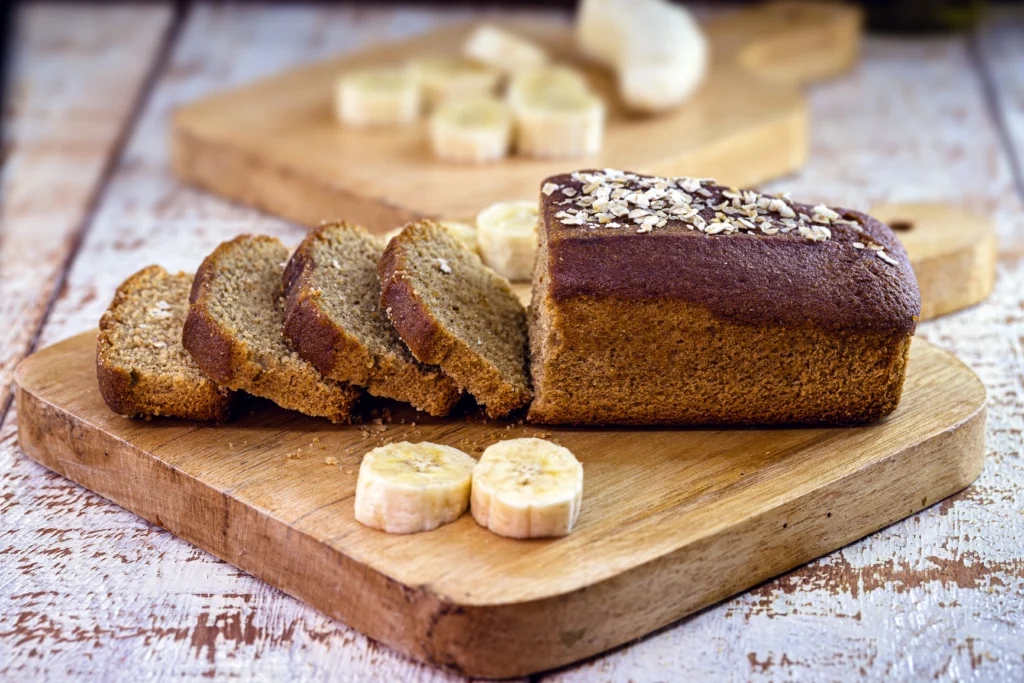
| Flour Type | Nutritional Benefit | Flavor Profile |
| Almond flour | High protein, low carb | Nutty, rich |
| Coconut flour | High fiber, gluten-free | Subtle sweetness |
| Oat flour | Whole grain, heart-healthy | Mild, smooth |
Fat Replacement Choices
Reduce calories without sacrificing moisture by using these innovative substitutions:
- Greek yogurt
- Mashed avocado
- Pumpkin puree
- Nut butters
By implementing these smart ingredient swaps, you can create a delightful no sugar fruit homemade loaf that’s both nutritious and delicious.
Tips for Selecting and Preparing Ripe Bananas
Choosing the right bananas is crucial for creating a delicious fruit homemade loaf recipe. Ripe bananas bring natural sweetness and moisture to your baking, transforming an ordinary loaf into an extraordinary treat.
When selecting bananas for your fruit homemade loaf recipe, look for these key characteristics:
- Bananas with deep yellow skin and multiple brown spots
- Soft texture when gently pressed
- Sweet aroma indicating peak ripeness
If your bananas aren’t quite ripe enough, try these quick ripening techniques:
- Place bananas in a paper bag with an apple or tomato
- Store at room temperature
- Check ripeness daily
| Banana Ripeness Stage | Baking Suitability |
| Green/Yellow | Not recommended |
| Yellow with few brown spots | Acceptable |
| Yellow with many brown spots | Ideal for banana bread |
Pro tip: Overripe bananas with completely brown skin are perfect for creating an intensely sweet and moist healthy banana bread recipe.
“The secret to exceptional fruit loaf is using bananas at their peak ripeness” – Professional Baker’s Wisdom
For best results, mash bananas thoroughly to ensure even distribution of flavor and moisture throughout your fruit loaf recipe. This technique guarantees a consistently delicious loaf every time.
Step-by-Step Mixing Method for Moist Results
Creating the perfect fruit loag requires more than just throwing ingredients together. The mixing method plays a crucial role in achieving a moist, tender loaf that will delight your taste buds and nourish your body.
Preparing Wet Ingredients with Precision
Start by gathering your wet ingredients. Ripe bananas are the star of your homemade loaf. Mash them thoroughly to create a smooth base. The key is to break down the bananas completely, ensuring an even distribution of moisture throughout the bread.
- Use very ripe bananas with brown spots
- Mash bananas until creamy and smooth
- Combine with eggs and liquid ingredients
Dry Ingredient Symphony
Preparing dry ingredients separately is critical for your healthy banana bread. This step ensures even distribution of leavening agents and prevents clumping. Sift your flour alternatives together to create a light, consistent mixture.
| Dry Ingredient | Purpose | Recommended Quantity |
| Whole wheat flour | Adds nutritional value | 1 1/2 cups |
| Baking soda | Provides rise | 1 tsp |
| Cinnamon | Enhances flavor | 1 tsp |
Mastering the Mixing Technique
The final and most delicate stage of creating homemade fruit loaf is combining wet and dry ingredients. Fold gently to prevent overmixing, which can lead to tough, dense bread. Stop mixing as soon as ingredients are just incorporated.
- Create a well in dry ingredients
- Pour wet ingredients into the center
- Use a spatula to fold gently
- Stop mixing when no dry streaks remain
Remember, the perfect homemade fruit loaf is all about technique. Take your time, be gentle, and you’ll create a moist, delicious loaf that’s both nutritious and satisfying.
Baking Temperature and Timing Guidelines
Mastering the perfect baking temperature is crucial for creating a delicious homemade fruit loaf recipe. The right heat ensures your bread develops a golden crust while maintaining a moist, tender interior.
Preheat your oven to 350°F (175°C) for the most consistent results. This temperature allows your homemade fruit loaf to cook evenly without burning the exterior or leaving the center undercooked.
- Standard loaf pan: Bake for 50-60 minutes
- Mini loaf pans: Reduce time to 35-40 minutes
- Muffin tins: Bake for 18-22 minutes
Checking doneness is an art in itself. Use these reliable methods to ensure your healthy banana bread is perfectly baked:
- Insert a toothpick into the center – it should come out clean or with minimal crumbs
- Gently press the top – it should spring back when touched
- Check for a golden-brown color around the edges
| Pan Type | Temperature | Baking Time |
| Glass Loaf Pan | 350°F | 55-65 minutes |
| Metal Loaf Pan | 350°F | 50-60 minutes |
| Ceramic Loaf Pan | 350°F | 60-70 minutes |
Pro tip: Always place your homemade fruit loaf in the center rack of the oven for most consistent heat distribution.
“Patience is key when baking – resist the urge to open the oven door frequently, as this can cause uneven baking.” – Professional Baker
Whole Wheat and Oatmeal Variations
Elevate your banana bread game by exploring whole wheat and oatmeal variations that boost nutrition and flavor. Whole wheat fruit loaf and oatmeal fruit loaf offer delicious alternatives to traditional recipes, packed with additional health benefits and unique textures.
Whole Grain Benefits
Switching to whole wheat flour transforms your banana bread into a nutrient-dense treat. Whole wheat fruit loaf provides:
- Higher fiber content
- More essential minerals
- Increased protein levels
- Improved blood sugar regulation
When incorporating whole wheat flour, start by replacing 50% of all-purpose flour to maintain a light texture. This approach ensures your oatmeal fruit loaf remains moist while delivering enhanced nutritional value.
Texture Modifications
Achieving the perfect texture requires careful ingredient balance. Consider these techniques for successful whole grain baking:
- Use finely ground whole wheat flour
- Add extra moisture with Greek yogurt
- Let batter rest 15-20 minutes before baking
- Measure ingredients precisely
| Flour Type | Protein | Fiber | Texture Impact |
| All-Purpose Flour | 10-12% | 0.3g | Light, soft |
| Whole Wheat Flour | 14-16% | 3-4g | Denser, heartier |
| Oat Flour | 12-14% | 2-3g | Moist, tender |
Experiment with these variations to create a wholesome whole wheat fruit loaf or oatmeal fruit loaf that satisfies both taste and nutritional needs.
Storage Tips to Maintain Freshness
Preserving the delightful taste and texture of your healthy banana bread requires smart storage strategies. Proper storage ensures your homemade treat remains moist and delicious for days or even weeks after baking.
Room temperature storage works best for short-term preservation of healthy banana bread. Wrap your bread tightly in plastic wrap or aluminum foil to prevent moisture loss. A sealed container can help maintain the bread’s soft texture and prevent it from drying out.
- Use airtight containers to keep bread fresh
- Wrap tightly in plastic wrap or foil
- Store at room temperature for up to 3-4 days
Refrigeration can extend the shelf life of your healthy banana bread. When storing in the refrigerator, place the bread in an airtight container or wrap it securely. This method can keep your banana bread fresh for up to a week.
| Storage Method | Duration | Best For |
| Room Temperature | 3-4 days | Short-term storage |
| Refrigerator | Up to 1 week | Extended freshness |
| Freezer | Up to 3 months | Long-term preservation |
For long-term storage, freezing is an excellent option. Wrap individual slices or the entire loaf in plastic wrap, then place in a freezer-safe bag. When you’re ready to enjoy your healthy banana bread, thaw at room temperature for the best texture and flavor.
Pro tip: Always let your banana bread cool completely before storing to prevent condensation, which can make the bread soggy and reduce its quality.
Troubleshooting Common Baking Issues
Baking the perfect healthy banana bread recipe isn’t always straightforward. Even experienced bakers encounter challenges that can impact the final result. This guide will help you navigate common baking obstacles and ensure your banana bread turns out delicious every time.
Managing Moisture Levels
Moisture can make or break your healthy banana bread recipe. If your bread feels dry, consider these quick fixes:
- Add an extra ripe banana to increase natural moisture
- Reduce baking time by 5-10 minutes
- Incorporate Greek yogurt or applesauce
When your bread seems too wet, try these strategies:
- Use less liquid ingredients
- Add extra flour incrementally
- Ensure bananas are properly mashed
Temperature Considerations
Oven temperatures can dramatically impact your healthy banana bread recipe. Not all ovens are created equal. Consider using an oven thermometer to verify actual temperature and adjust baking time accordingly.
Solving Ingredient Balance Problems
Achieving the right ingredient balance requires precision. Dense bread often results from overmixing or using too much flour. To prevent this:
- Mix ingredients gently
- Measure flour using the spoon-and-level method
- Use room temperature ingredients
With these troubleshooting tips, you’ll be equipped to create a perfect healthy banana bread recipe every time.
Serving Suggestions and Healthy Toppings
Transform your healthy banana bread from a simple treat to a versatile culinary delight with creative serving ideas that boost both flavor and nutrition. Your homemade healthy banana bread can be elevated with thoughtful toppings and presentation techniques that make each slice exciting and delicious.
Nutritious Topping Recommendations
Explore these delectable and nutritious toppings to enhance your healthy banana bread:
- Greek Yogurt Spread: Add a protein-rich creamy layer
- Almond butter for healthy fats
- Fresh berries for antioxidant boost
- Chia seed sprinkle for extra fiber
- Honey drizzle for natural sweetness
Serving Style Options
| Occasion | Serving Suggestion |
| Breakfast | Toasted slice with Greek yogurt |
| Snack | Topped with fresh fruit compote |
| Dessert | Warm slice with cinnamon sprinkle |
Your healthy banana bread can become a canvas for culinary creativity. Experiment with different toppings to keep your bread interesting while maintaining its nutritional benefits. Whether you’re seeking a quick breakfast or an afternoon treat, these serving suggestions will transform your healthy banana bread into a gourmet experience.
Conclusion
Creating a low sugar banana loaf doesn’t mean sacrificing flavor or enjoyment. This comprehensive guide has walked you through transforming a classic comfort food into a nutritious treat that supports your wellness goals. By understanding ingredient substitutions and precise baking techniques, you’ve learned how to craft a banana bread that delights both your taste buds and your nutritional needs.
The low sugar banana loaf approach empowers you to take control of your baking. You now have the knowledge to select quality ingredients, modify traditional recipes, and produce a moist, delectable bread that stands apart from sugar-laden alternatives. Each slice represents a smart choice in your culinary adventure, proving that healthy eating can be both delicious and satisfying.
Your newfound skills extend beyond this single recipe. The techniques you’ve learned can be applied to numerous baking projects, encouraging continued exploration and creativity in the kitchen. Whether you’re baking for yourself, family, or friends, this low sugar banana loaf method opens doors to healthier, more mindful cooking that doesn’t compromise on taste or texture.
Embrace your baking journey with confidence. Experiment, adapt, and enjoy the process of creating nutritious, flavorful banana bread that reflects your personal health goals and culinary passion.
FAQ
How ripe should bananas be for healthy banana bread?
For the best flavor and natural sweetness, use bananas that are very ripe with dark brown or black spots. Overripe bananas are softer, sweeter, and blend more easily into the batter, providing maximum moisture and banana flavor to your healthy bread.
Can I make this banana bread gluten-free?
Yes, you can easily make this banana bread gluten-free by substituting regular flour with gluten-free flour blends or alternatives like almond flour, coconut flour, or a combination of gluten-free oat flour and rice flour. Be sure to adjust liquid ratios as gluten-free flours absorb moisture differently.
How can I reduce the sugar content in banana bread?
You can reduce sugar by using naturally sweet ripe bananas, adding natural sweeteners like stevia or monk fruit extract, or incorporating unsweetened applesauce. Spices like cinnamon can also enhance sweetness without adding calories.
What are good mix-ins for healthy banana bread?
Nutritious mix-ins include chopped nuts (walnuts, almonds), chia seeds, dark chocolate chips, dried fruits, coconut flakes, and pumpkin seeds. These add texture, flavor, and additional nutritional benefits to your banana bread.
How long does healthy banana bread stay fresh?
When stored in an airtight container at room temperature, healthy banana bread typically stays fresh for 3-4 days. For longer storage, refrigerate for up to a week or freeze for up to 3 months, wrapping tightly in plastic wrap and a freezer bag.
Can I use frozen bananas for banana bread?
Absolutely! Frozen ripe bananas work perfectly for banana bread. Thaw them at room temperature or microwave briefly, then use the softened, slightly mushy bananas in your recipe. They’ll provide excellent moisture and sweetness.
Is banana bread a healthy breakfast option?
When made with wholesome ingredients like whole wheat flour, minimal added sugar, and nutrient-rich mix-ins, banana bread can be a relatively healthy breakfast option. Pair a slice with protein like Greek yogurt or nut butter to balance the meal.
How can I make the banana bread more protein-rich?
Boost protein by adding protein powder, using Greek yogurt instead of regular yogurt, incorporating almond flour, adding chia seeds or hemp seeds, or mixing in chopped nuts. These additions increase the protein content without compromising taste.